
We arrived in the harbour on November 23 and anchored overnight. It was hazy and windy but thankfully there wasn’t any swell. It’s a busy harbour with plenty of cargo ships anchored out waiting to go to the dock. Over the radio we heard the port asking the ship anchored next to us if their bow thruster was working. Their reply was “yes, but not very well”. Not long after we saw a tugboat helping them turn around.
We got to the dock on November 24. It’s hot, dusty and smelly. We are right in the industrial port so it’s somewhat expected. Every year there are “security guards” that live on the pier beside the boat and watch out for us. Class Afloat gives them a share of each meal we have on board.

This photo shows our view from the pier, the security guards and the hundreds of sea eagles that are flying in the sky each evening. There aren’t any regular seagulls because of the sea eagles.
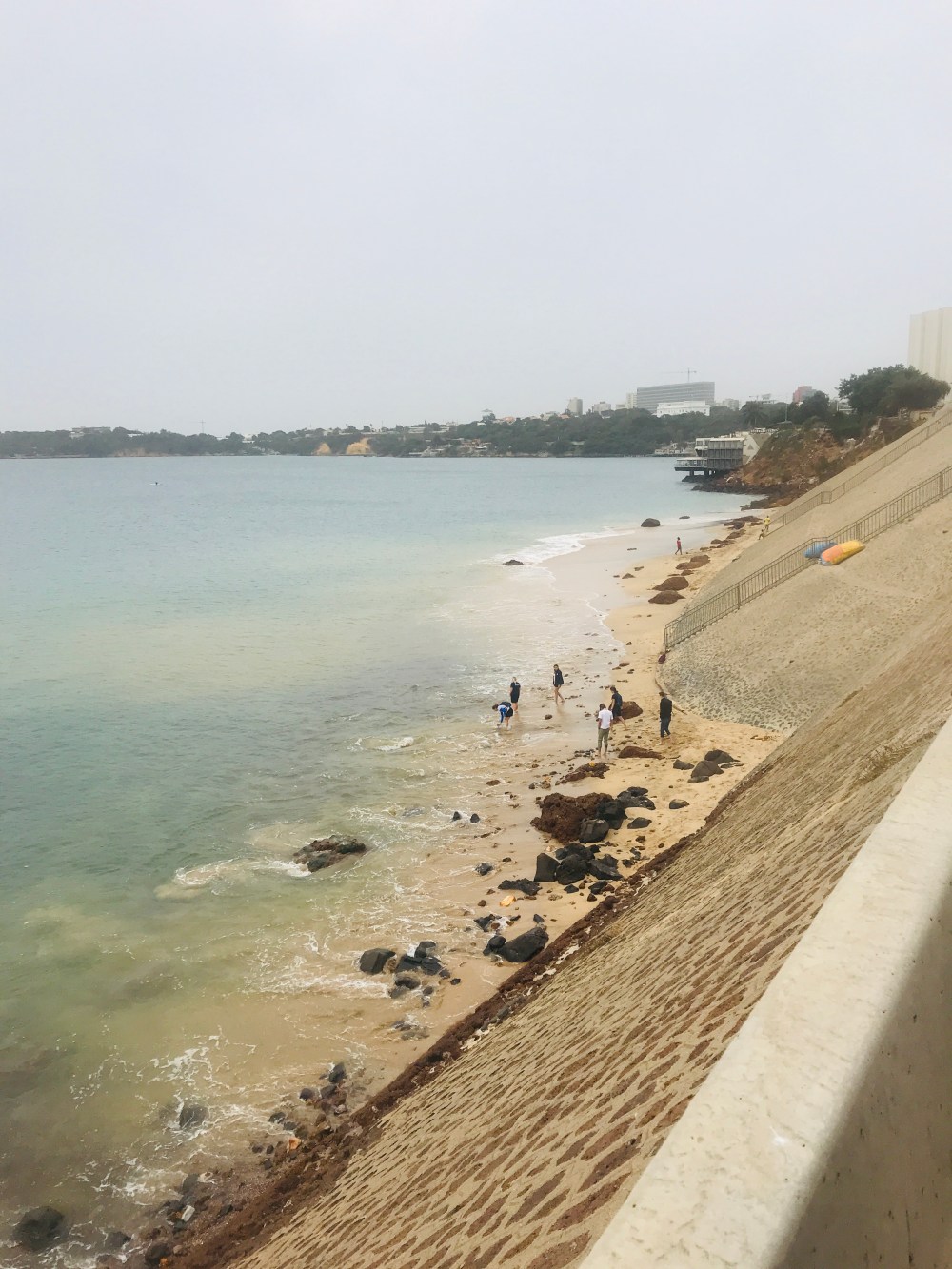
Second day we tried to walk to the Renaissance statue without realizing how far it actually was. We had a great walk mostly along the shore though and saw several baobab trees. I later learned that the baobab tree is the tree of Africa and it has many uses. From being a burial place in the trunks to using the fruit for a delicious juice called boyee juice. It also has healing powers in traditional medicine.


As we were walking along speaking English a man chided us telling us that we should speak French in Senegal. We ended up talking to him for a while, well Marilyn talked to him in French and I tried to follow it. His name is Mustafa and he is a math teacher. He recommended that we go to the fabric factory as it was close by and he walked us over.

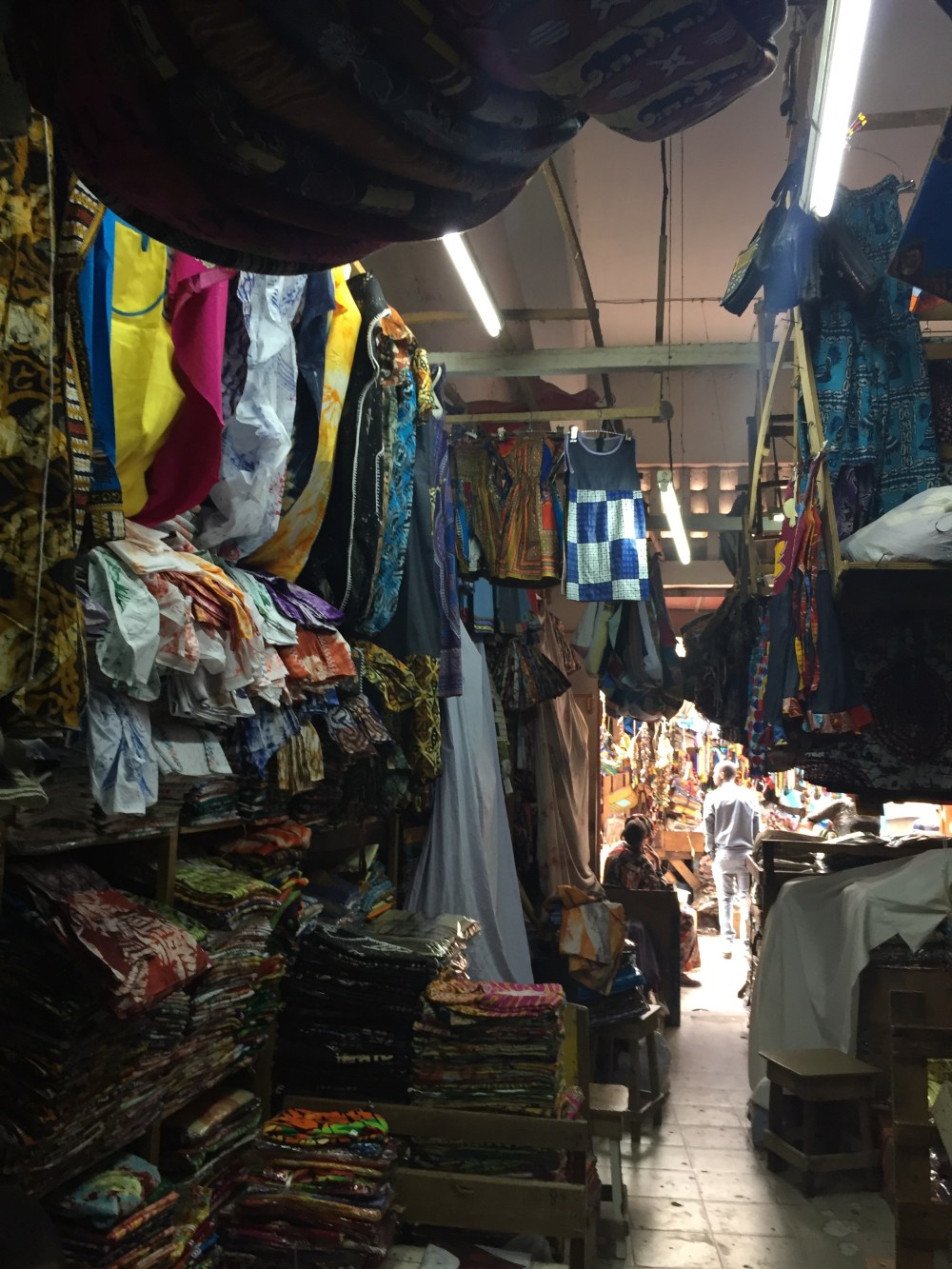
I did buy a breezy wax batik dress for myself and a cute little dress for Alice.
The next day half us us were off except for making lunch and delivering it to the ferry terminal for the other half of the group. Yes just a half day off for the whole week we are in Dakar! So Lloyd, Fabrice and I headed to the Lac Rose. It’s a very salty lake that is coloured pink by algae.

It’s also a salt mine. They float the small boats out and scoop up the salt off the bottom of the lake and it gets piled in huge piles on the lakeshore.


So much work all done by hand. We mostly saw women doing the salt mining. Our guide Gerry told us that some women start their own business doing the salt mining and that it’s a way for women without much education to stop being a housewife.
When we were at the ferry terminal, Lloyd started talking to a guide and we hired Gerry to take us to the pink lake. He told us all about Senegal on the drive which was pretty interesting.
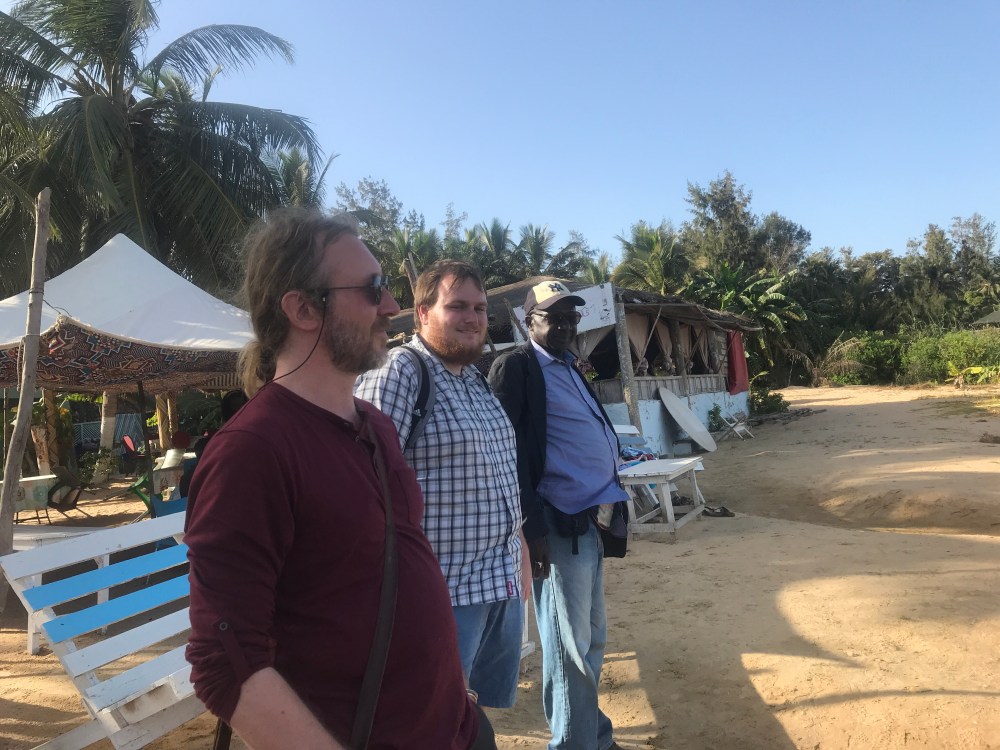
I was asking him about malaria and he was telling me that it’s worse in the rainy season which is from May to October. He said that it’s mostly people who are too poor to have nets at night that get malaria and that various countries have come to Senegal to try and help with that. He also said that he wasn’t too worried about malaria because the mosquitoes could find me much better in the dark than him!
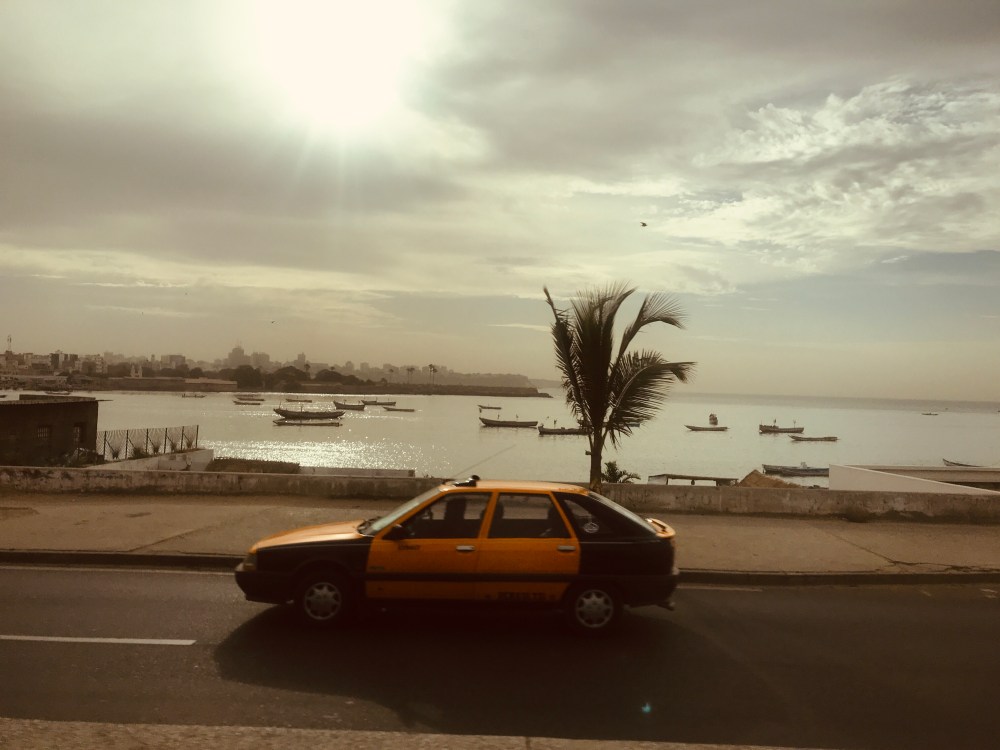
There are these yellow and black taxis everywhere here and they always honk at you as they drive by to see if you want to hire them. Walking around you never know if the honk is actually because you need to watch out or if it’s just a taxi trying to get your attention.
While in Dakar the students went on a homestay for two nights. Class Afloat had partnered with Le College Bilangue (LCB), a private school for rich Senegalese high school students (so similar to the Class Afloat students). We spent some time at their school and the students were supposed to be doing round table discussions. The day felt generally quite unorganized with lots of waiting around and the students kept asking us what was happening. We just had to keep telling them that we didn’t know because LCB was organizing the day.

They did play basketball which was fun for some.

The school was a lot plainer and way more basic than I expected having been told that the students were very wealthy.
They gave us a traditional Senegalese meal for lunch which was very good. Rice, vegetables and fish (barracuda).
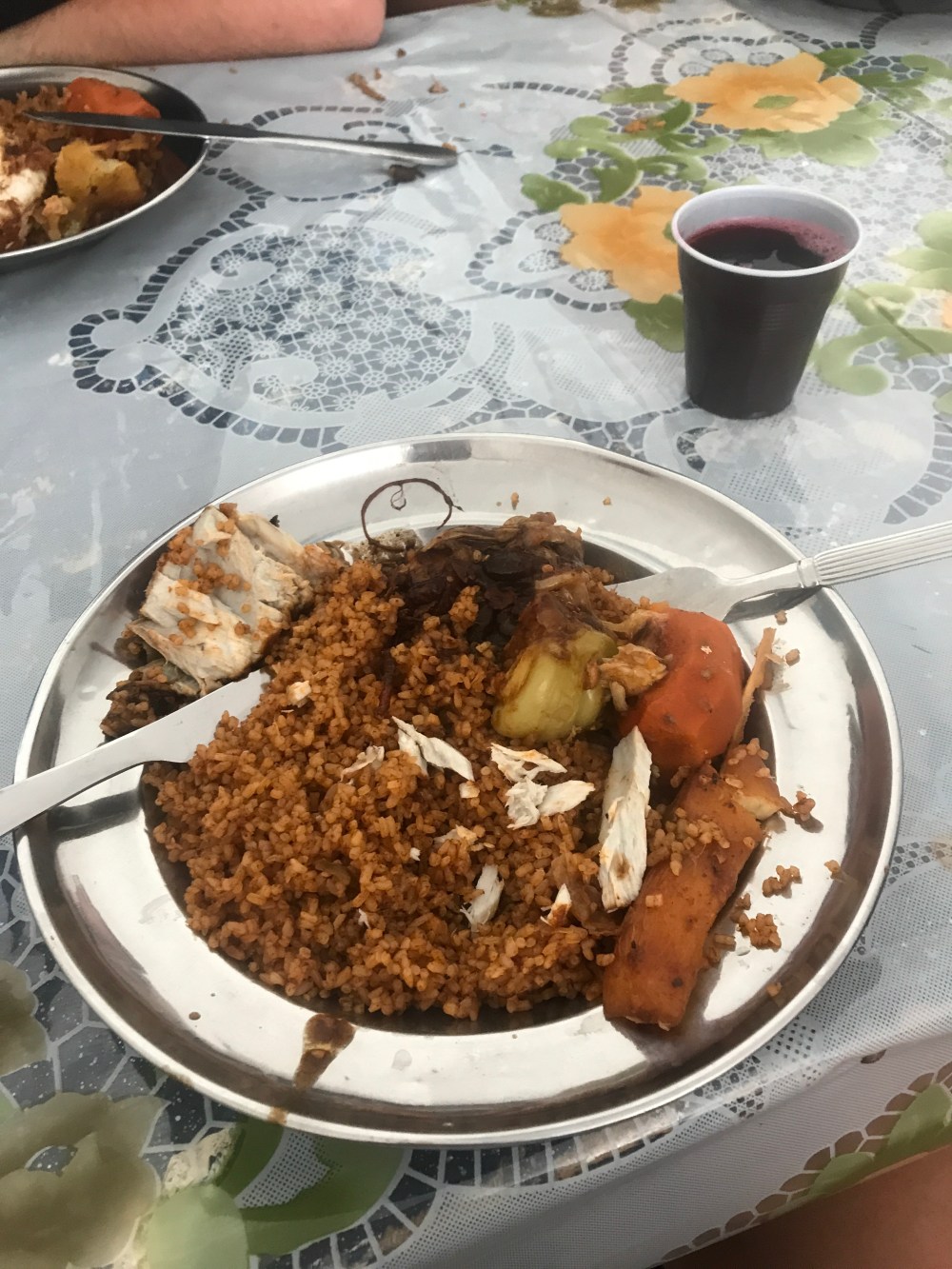
We didn’t know until the last minute if our students were actually going on a homestay with the LCB students. But they all did go and so we had a quiet ship to have a crew BBQ which was fantastic!
Another part of the port program was to talk the ferry to Goree Island. It’s an island that was a departure point for many slaves that from west Africa on the way to the Americas.
It was pretty there without the half finished buildings and dust that is commonplace in the rest of Dakar.
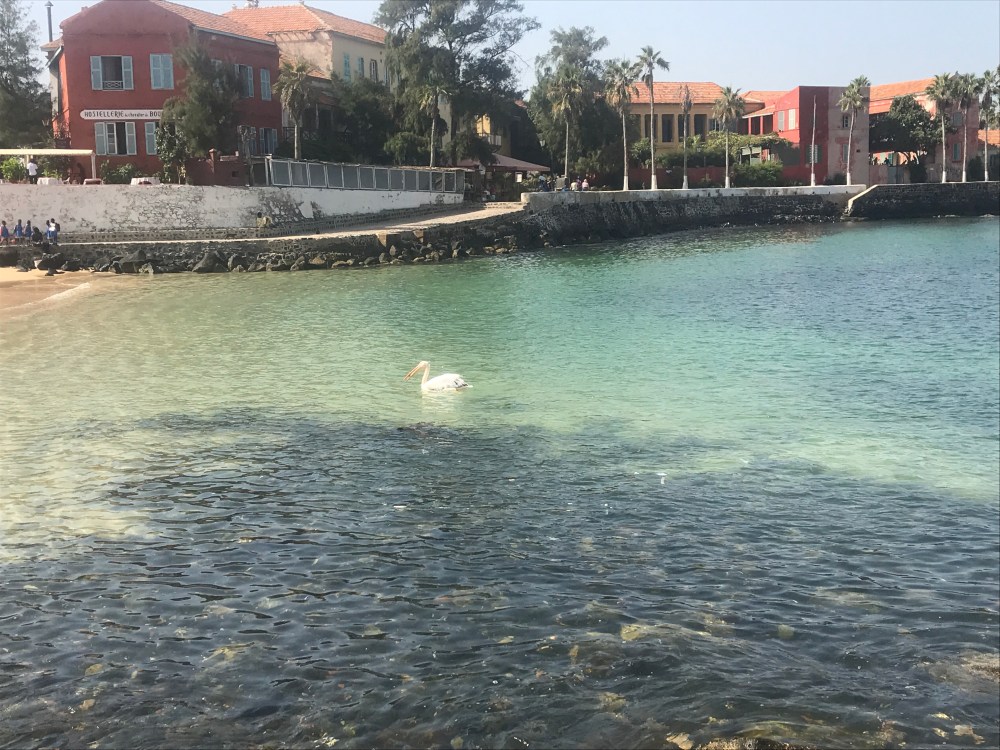
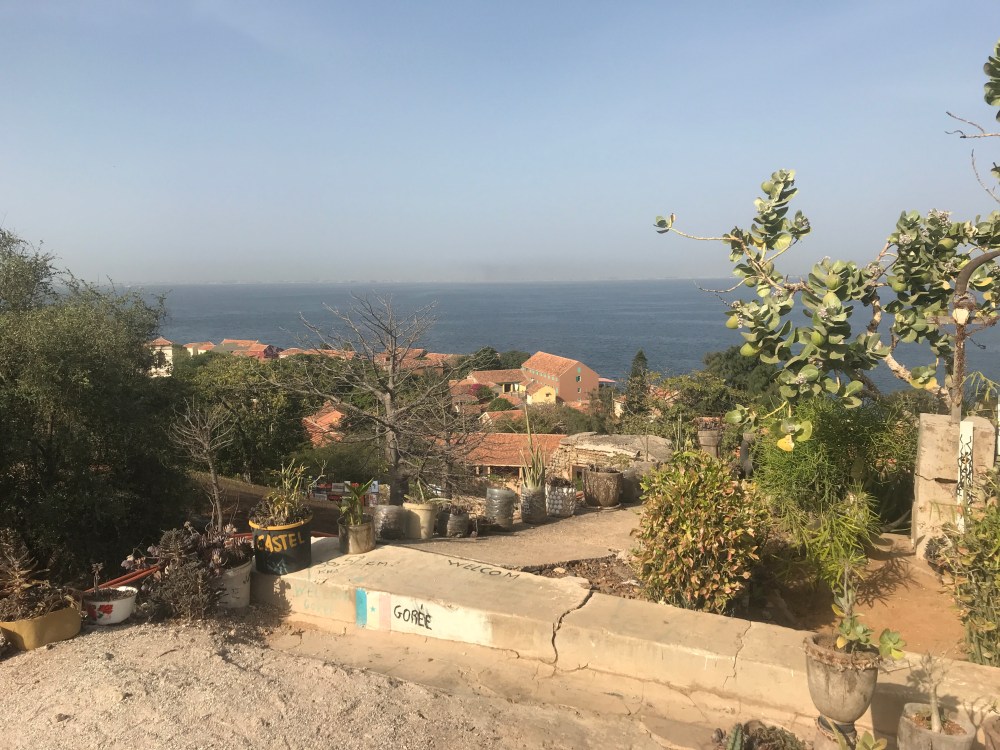
We had a tour guide bringing us around the island and we visited one of the slave houses and saw the horrible conditions that people were living. It was pretty sad.

We watched a demonstration of how sand art is done. The different colours of sand are from different places in Africa. The artists glue the sand to the canvas with a glue made from the Baobab tree.

There’s always something to buy everywhere and someone to sell it to you. (For a good price my friend)

Our final day in Dakar was sports day for the students and we got to go swimming in the outdoor pool! That made my day! I just went back and forth in the cool water until I was shivering so much that I had to get out. The students really enjoyed the sports day. It was at a sports club with basketball court and volleyball courts and the pool of course.
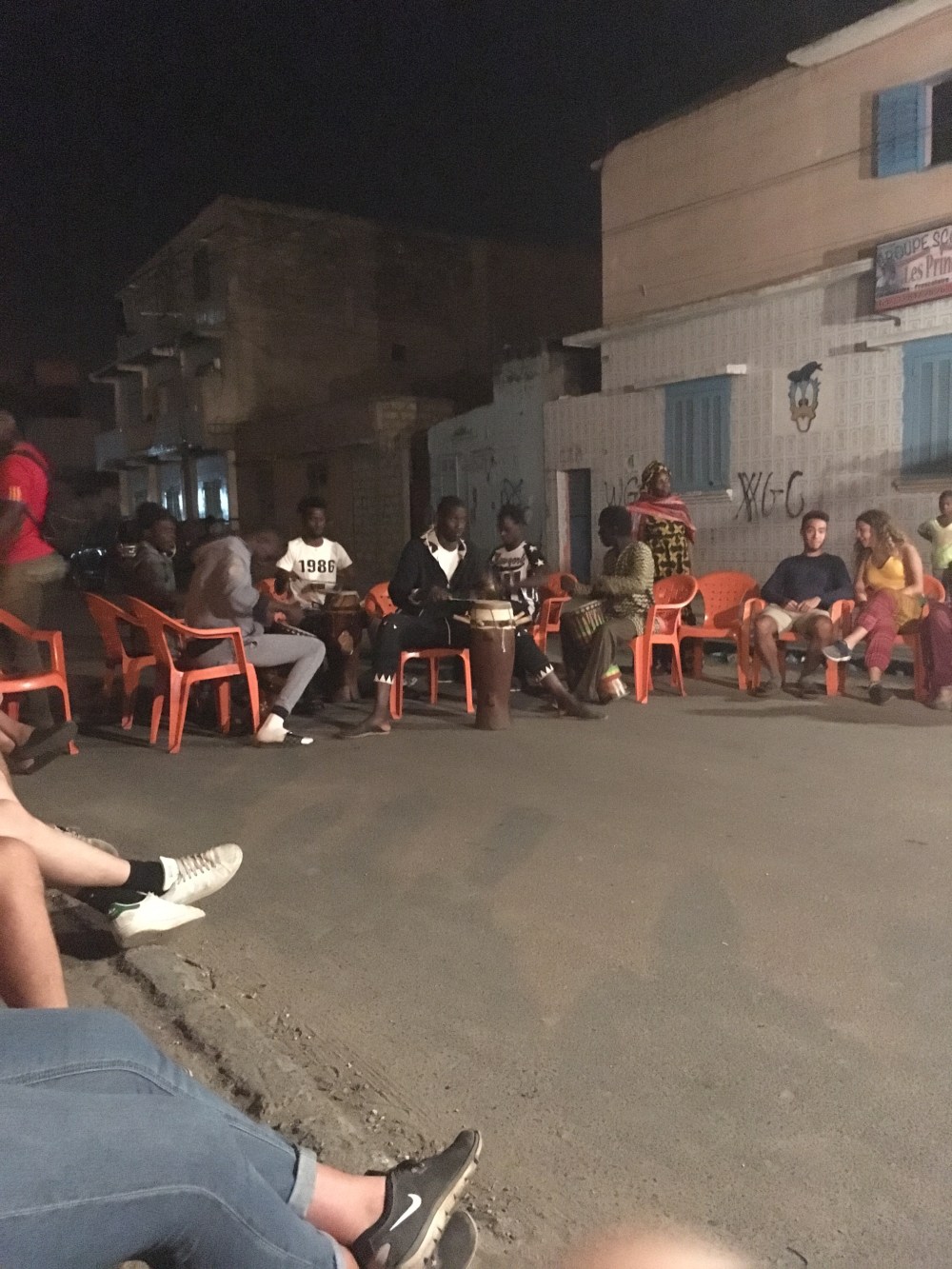
The last evening in Dakar we went to Sabarr dancing. We took a city bus for about half an hour and then we arrived in a neighbourhood where they had set up chairs on the street for us. There were 5 drummers playing a fantastic beat for a while with all us us sitting in a circle watching. Then one of the students got up and got everyone to start dancing. We all danced for a while and then they had us sit down and some local people did some demonstrations and then they taught us how to do some of the moves! It was pretty tough to imitate but it was really cool and everyone had a great time!

On November 30th we left Dakar bound for Fernando de Noronha, Brazil. We firehosed the dirt off the boat before we left and watched clouds of dust blowing back on board before we left.
As I talked to the students about their experiences in Dakar, most of them really liked it. They enjoyed the homestay for the most part and were glad they had the opportunity to visit Senegal and see what it is like there. Some of the girls mentioned that they found it hard when they were on shore leave because they were catcalled a lot and felt harassed. Some students I talked to found the heat, dirt and dust difficult and being constantly approached to buy stuff tiring but they liked the port programs. I’m glad that I have been talking to the students about their experiences because it’s good to hear about how they really liked visiting Dakar. It made it seem
 sealevelandup
Thanks for all the photos and the running commentary. I love the food photos.
LikeLike